Role of Muscle pH in Meat Quality: Wild Meat Preservation
I’ve talked before about pH (acidity or alkalinity) and its role in controlling bacterial spoilage—especially how a quick mist of citric acid can lower surface pH and protect fresh meat.
Today, let’s dig a little deeper. Muscle pH plays a major role in how long wild game meat can be preserved—and in how it tastes once it hits the plate. If you’ve ever wondered why some meat turns out tender and juicy while other batches are tough, dry, or just “off,” muscle pH is likely part of the answer.
Why Muscle pH Matters
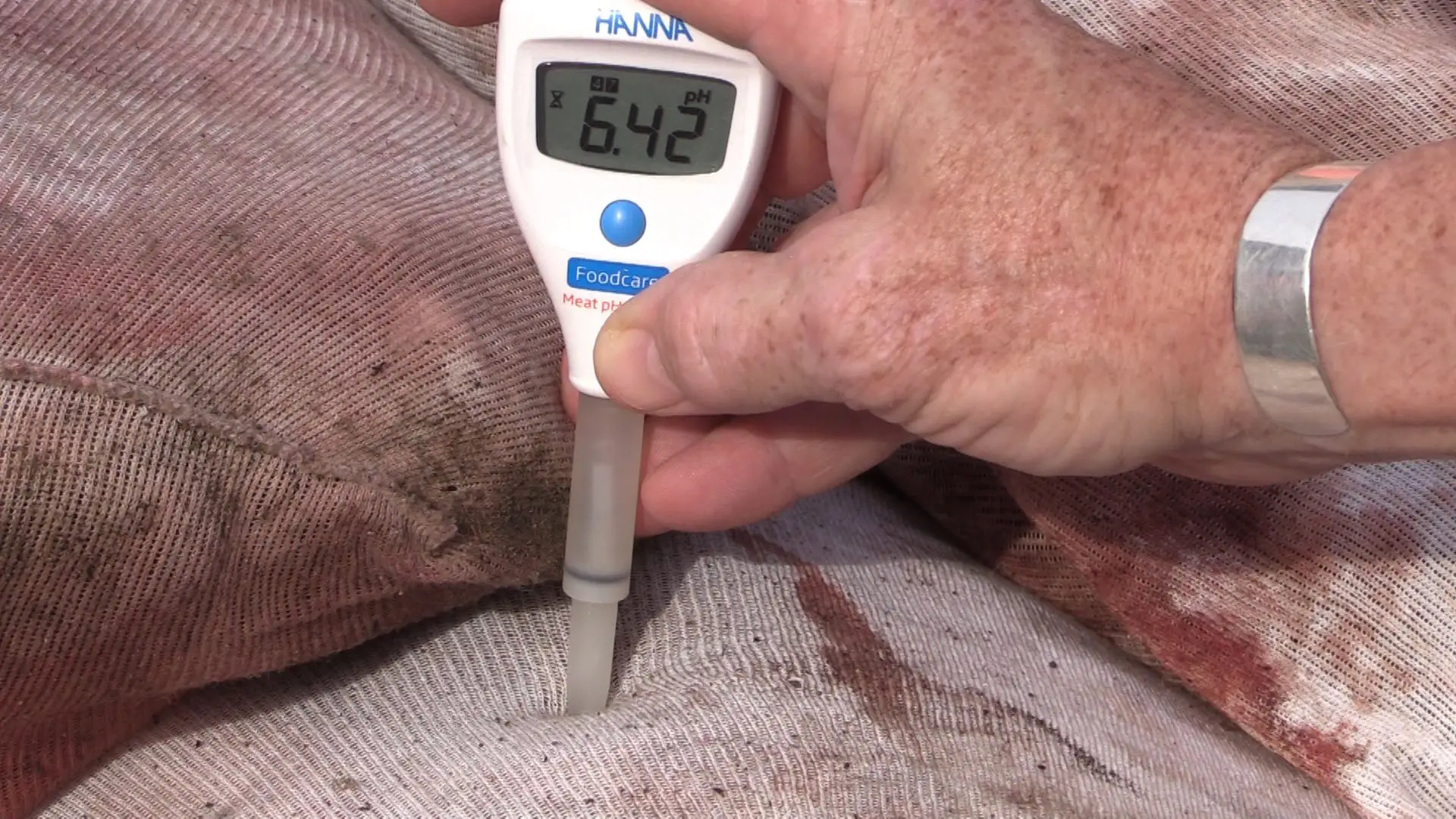
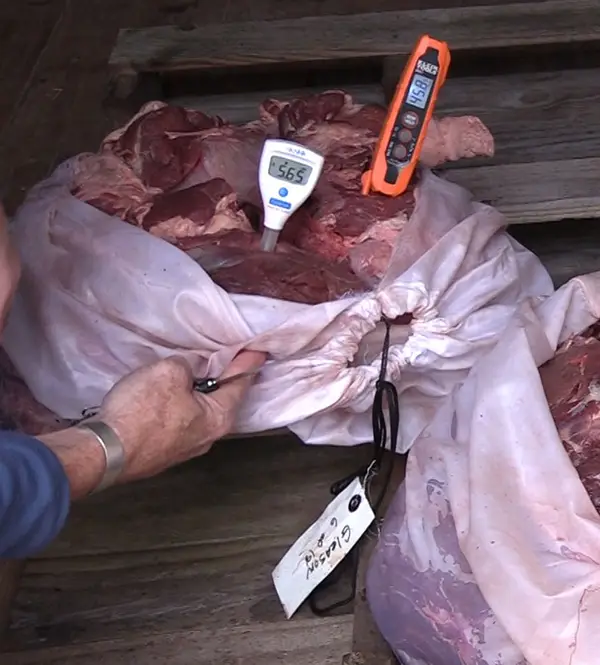
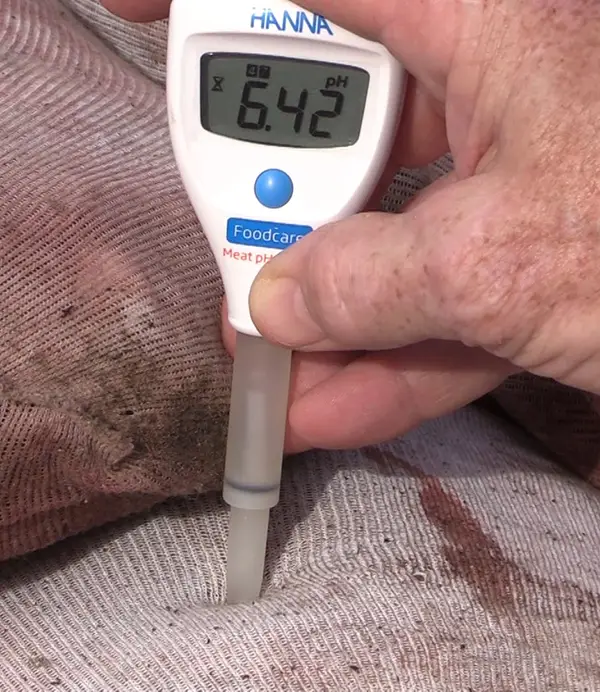
This season, I picked up a new field tool: a handheld pH meter. It lets me monitor muscle pH in real time in the field and as hunters process wild meat.
Muscle pH affects:
- Color
- Texture
- Water-holding capacity
- Shelf life
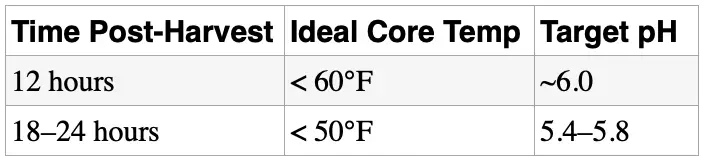
When an animal dies, muscle glycogen turns into lactic acid, causing the pH to drop from about 7.0–7.2 to 5.4–5.7 within 18–24 hours.
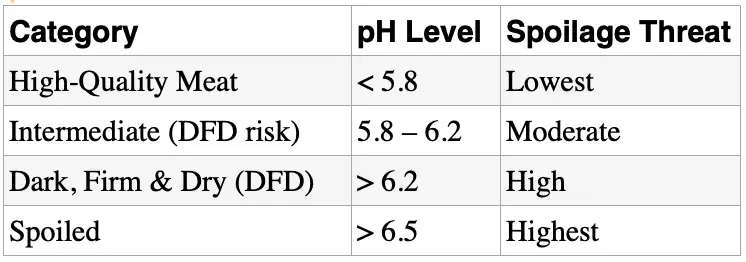
- If pH drops too fast, the result can be Pale, Soft, Exudative (PSE) meat.
- If pH stays too high due to low glycogen, you get Dark, Firm, Dry (DFD) meat.
Both lead to poor texture and faster spoilage.
Standards of Meat Quality
How to Use a pH Meter
Gifted Meat Inspection
Factors That Affect Muscle pH
1. Glycogen Reserves
For meat to reach the ideal pH range (5.4–5.8), the animal must have enough glycogen stored at the time of death.
2. Pre-Harvest Stress
Stress burns through glycogen before the animal is harvested.
- Acute stress happens in the hours before death (e.g., panic, prolonged chase).
- Chronic stress builds over weeks or months (e.g., malnourishment, injuries, disease).
3. Animal Age
- Younger animals typically have more glycogen, resulting in lower final pH.
- Older animals may end up with higher pH, increasing spoilage risk.
Pro tip: Select calm, healthy animals and make a clean, quick shot—ideally bringing the animal down within 60 seconds. This preserves glycogen levels and improves meat quality.
Understanding Muscle pH Decline
Ultimate pH
- Measured at about 24 hours post-harvest.
- Fresh meat starts with pH 7.0–7.2, then drops as glycogen turns into lactic acid.
The Role of Temperature
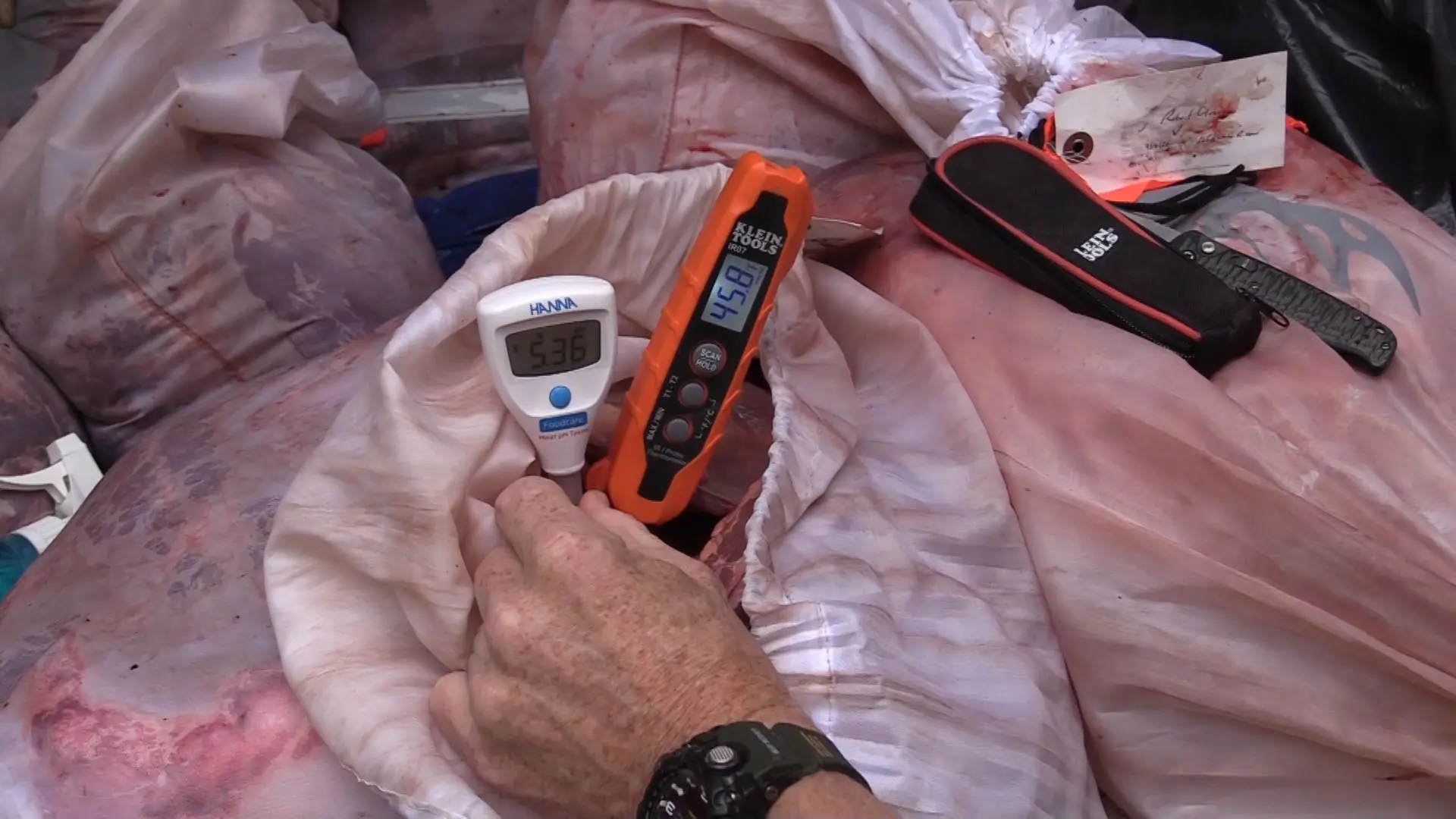
Muscle temperature and pH decline work hand in hand.
- High temperatures can accelerate pH drop and damage protein structure.
- Meat should be cooled below 90°F within a few hours to get the best final pH.
Best Practice
Remove all edible meat within 4 hours and let it rest in a cool, shaded, well-ventilated spot for 18–24 hours.
The pH–Temperature Window
The goal is:
- pH > 6.0 while meat is above 95°F
- pH < 6.0 once meat cools below 54°F
Why it matters:
- Cold Shortening: If meat cools too fast before pH < 6.0, it becomes permanently tough. Avoid rapid cooling below 54°F during the first 8 hours. Avoid freezing game meat in the first 72 hours to allow muscle stiffening to relax, marking the end of glycolysis and the baseline tenderness value of the meat.
- Heat Toughening: If meat stays too warm (>95°F) too long (5-6 hours), the protein structure suffers. Break the carcass down early to speed up cooling.
Shelf Life and Spoilage
Once the final pH is known, it can help predict freshness:
- As meat spoils, pH slowly rises back toward 7.0.
- At pH 6.4, you’ll notice sour odors and color changes. Meat is considered spoiled at pH 6.5
Meat starting at a high pH is more prone to spoilage because bacteria thrive on amino acids instead of glucose. This means spoilage starts at lower bacterial counts, even under refrigeration.
Shelf life can range from 4 to 14 days depending on:
- Initial pH
- Handling practices
- Temperature and weather conditions
For serious hunters, a digital meat thermometer and pH meter are worth the ounces in your field-care kit. These simple tools can make the difference between tender meat and a wasted harvest.